Maintaining independence while managing the complexities of a disability requires a robust support system. For many NDIS participants, the transition from waking up to engaging with the community depends heavily on the quality of support received during the first few hours of the day.
NDIS personal care assistance services are more than just functional supports; they are the foundation of a dignified and autonomous lifestyle. These services are designed to provide essential support for individuals to live safely and comfortably in their own homes, ensuring that physical limitations do not become barriers to personal health or social participation.
In this guide, we will explore the nuances of assistance with daily living NDIS funding, the importance of professional in-home personal care NDIS services, and how to select the right NDIS support workers for personal care to achieve your long-term goals.
Defining NDIS Personal Care Assistance Services
The National Disability Insurance Scheme (NDIS) defines personal care services as support for Activities of Daily Living (ADLs) which disabled individuals need for basic daily tasks. The NDIS requires implementation of personal care services through methods which maintain participant privacy and control over their personal choices.
Key Areas of Support
The NDIS daily personal care support system includes three main support services as its primary components:
- Personal Hygiene: The process requires people to shower and bathe while they also practice their oral and skin care routines.
- Grooming and Dressing: The service provides help with hair maintenance and shaving and dressing operations based on the planned activities for the day.
- Toileting and Continence Management: The service provides dignified support for individuals who need help with their bladder and bowel control needs.
- Menstrual Care: The organization provides female participants with specialized support which helps them maintain their health while keeping their personal health information confidential.
- Eating and Drinking: The service provides meal assistance to individuals who experience physical or sensory challenges during their dining process.
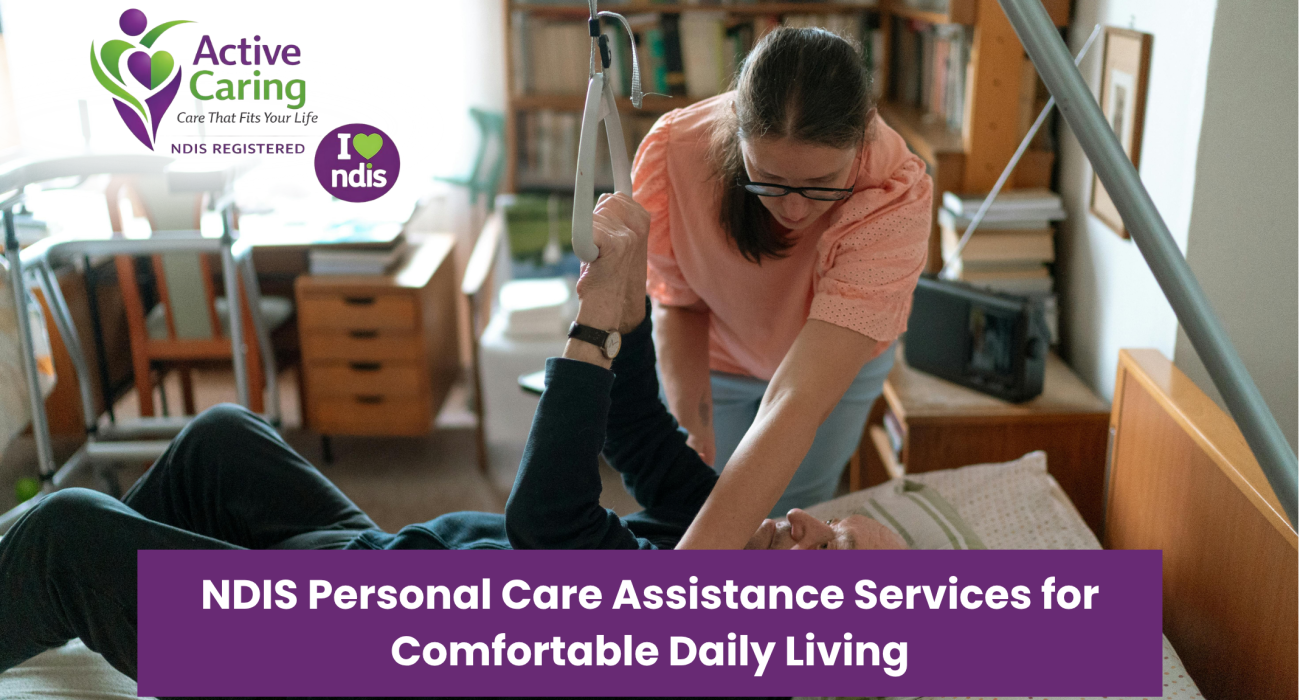
- Mobility and Transfers: The service enables users to move safely within their home environment, which includes entering and exiting bed and wheelchair spaces.
The Strategic Value of Professional In-Home Personal Care
Choosing professional in-home personal care NDIS services over informal arrangements offers significant advantages in terms of safety, clinical oversight, and emotional wellbeing.
1. Preservation of Dignity and Autonomy
The hallmark of a senior-level care provider is the ability to provide help without stripping away a participant’s sense of self. Participants who guide professional careers need assistance which must be provided to them instead of delivering things to them. The person-centered approach serves as the essential element which enables people to sustain their mental health and their sense of self-worth.
2. Clinical Safety and Risk Mitigation
The professional NDIS hygiene and grooming support services provide more than essential cleaning duties. The trained workers can find initial signs of health problems which include pressure sores and skin infections, and changes in a person’s physical ability to move. The program provides training in manual handling techniques which protect both participants and workers from transfer-related injuries.
3. Consistency and Reliability
Support fatigue, which results from frequent staff changes, stands as one of the most difficult obstacles that NDIS participants must face. A professional provider prioritizes consistency, matching participants with regular NDIS to support workers for personal care who understand their specific routines, preferences, and communication styles.
Navigating Your NDIS Plan: Assistance with Daily Living
Participants need Core Supports funding to access these services because they require Assistance with Daily Life.
Determining Reasonable and Necessary
The NDIS funds personal care when it is deemed reasonable and necessary. This means the support must:
- Be related to the participant’s disability.
- Help the participants achieve their goals.
- Represent value for money.
- Be effective and beneficial for the participants.
It is important to document how assistance with daily living support will impact your daily life. For instance, receiving help with morning hygiene can conserve the physical energy required to attend university or a workplace later in the day.
Choosing the Right NDIS Support Workers for Personal Care
Selecting the right support worker is a highly individual process. Because these professionals work within your private space, the relational fit is just as important as their technical qualifications.
Essential Criteria for Evaluation
When interviewing potential providers for in home personal care NDIS services, consider the following factors:
- Compliance and Screening: The provider needs to meet the NDIS Quality and Safeguards Commission standards while all workers must complete the NDIS Worker Screening Check process.
- Specialised Training: The staff needs to possess particular clinical training for your complex needs which include high-intensity daily personal activities.
- Cultural Competency: The provider needs to supply staff members who will honor your cultural traditions and language needs and personal beliefs.
- Communication Protocols: How does the provider handle feedback or requests for changes in the care routine?
The Active Caring Standard
At Active Caring, we set a high benchmark for personal support. We recognize that our presence in your home is a privilege. Our strategy focuses on capacity building; we provide the necessary NDIS daily personal care support while constantly looking for opportunities to help you regain or maintain your functional independence.
The Correlation Between Personal Care and Community Participation
Personal care should not be viewed as isolation. There is a clear link between high-quality NDIS hygiene and grooming support services and a participant’s ability to engage with the community.
When a participant feels confident in their physical presentation and comfort in their routine, social anxiety decreases. Professional grooming support ensures that participants can present themselves to the world in a way that aligns with their identity. This, in turn, facilitates easier access to:
- Employment and vocational training.
- Social gatherings and community events.
- Educational opportunities.
- Medical and therapeutic appointments.
Effective personal care supports greater participation in work, education, and social activities.
Addressing Common Concerns in Personal Care Delivery
Ensuring dignity and privacy through professional NDIS support, addressing your concerns with respectful, flexible, and high-quality in-home personal care services.
Maintaining Privacy
A primary concern for many is concerns about privacy. Professional providers utilize cloaked support techniques, ensuring that the participant remains covered and comfortable during hygiene routines, providing only the specific level of physical intervention required.
Flexibility of Care
Daily life is rarely static. A professional service should be able to adapt to changes in your schedule. Whether you have an early morning appointment or a late-night event, your NDIS personal care assistance services should be flexible enough to accommodate the ebb and flow of a standard Australian lifestyle.
Quality Assurance
Under the NDIS, you have the right to high-quality support. If a worker’s performance does not meet your expectations, a professional provider will have clear grievance procedures and the ability to transition you to a different team member without disruption to your care.
How to Get Started with Active Caring
Securing the right support doesn’t have to be a complex administrative burden. Active Caring streamlines the process, ensuring you receive the support you need with minimal stress.
- Initial Consultation: We discuss your NDIS plan, your goals, and your specific care requirements.
- Tailored Support Plan: We develop a routine that respects your preferences and optimizes your Core Supports budget.
- Worker Matching: We introduce you to NDIS support workers for personal care who align with your personality and needs.
- Ongoing Review: We regularly check in to ensure the support is evolving alongside your lifestyle.
Conclusion
In-home support is not limited; it is about creating opportunities. By utilizing professional NDIS personal care assistance services, you are investing in your health, confidence, and future.
Active Caring delivers NDIS daily living support services to Australian communities through trustworthy and dignified and superior service. We provide NDIS plan management services to assist you in making your plan function according to your needs.
Take the Next Step Toward Comfortable Daily Living
If you or a loved one requires professional, compassionate personal care, contact our team today to discuss how we can support your journey toward greater independence.
- Phone: +61 417 213 120
- Email: info@activecaring.com.au
Active Caring: Empowering independence through professional support.
Frequently Asked Questions
How is this funded through the NDIS?
Funding is allocated under the Core Supports budget which includes financial support for Assistance with Daily Life needs. You must demonstrate that these services are reasonable and necessary to meet your functional goals.
Can I select a preferred support worker?
Yes. You have the right to request specific workers who meet your requirements for gender and cultural background and language needs so that you can feel comfortable in your home environment.
Is support available every day?
Professional support is available 24/7, including weekends and public holidays, to ensure your health and hygiene routines remain consistent and uninterrupted.
Can I customise my care tasks?
Absolutely. Support is tailored to your specific needs, whether you require assistance with all daily activities or just help with certain tasks like grooming or safe transfers.
How are safety and quality maintained?
All staff undergo mandatory NDIS Worker Screening Checks and regular training to ensure they provide high-quality, safe, and professional care in line with national standards.